Ready to Lose the Pacifier? A Timeline and a Plan
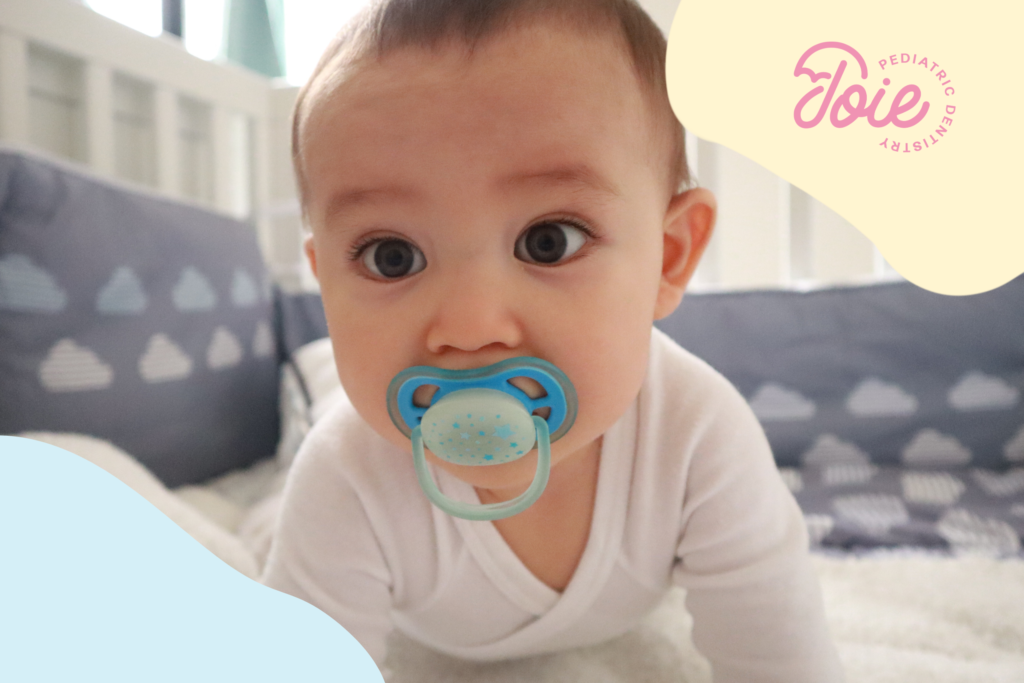
A pacifier is a normal source of comfort in the early years, and using one isn’t a problem. What matters is when it stops. The window for weaning closes around age three, and getting it done before then protects how your child’s bite and palate develop. Here’s the timeline pediatric dentists work to and a calm, gradual plan for actually getting there.
Quick answer: Pacifiers are fine for babies and young toddlers. Start limiting use around 12 to 18 months and aim to stop completely by age 3. Stopping before age 3 lets most bite changes self-correct as the mouth grows. The approach that works is gradual: cut back to naps and bedtime first, then phase it out, using praise rather than punishment.
When the pacifier starts to matter for the teeth
For babies and young toddlers, a pacifier does no lasting harm and offers real comfort. The picture changes with prolonged use past age two or three. Steady pressure from the pacifier can push the upper front teeth forward, hold the front teeth apart so they don’t meet when the back teeth close (an open bite), narrow the roof of the mouth, and pull the bite into a crossbite. These are the same kinds of changes that come from sustained thumb sucking, and you can read more about how those bite problems develop in our piece on how oral habits affect a child’s developing teeth. The reassuring part is timing: if the pacifier is gone before about age three, most of these changes tend to correct themselves as the jaw and teeth keep growing.
The age to start winding it down
Pediatric guidance points to a clear window. The aim is to begin limiting pacifier use somewhere around 12 to 18 months and to have it gone by age three at the latest. The earlier you start trimming back, the easier the transition usually is, because the habit is less entrenched. Children who use a pacifier only for sleep and stressful moments generally develop fewer dental issues than those who keep one in all day, so even before you stop entirely, cutting daytime use is worth doing. One genuine advantage a pacifier has over thumb sucking is that you can take it away. The difference that makes a pacifier easier to give up is exactly that you control the object, which gives you more control over the timeline than you’d have with a thumb.
A calm, gradual plan that works
Going cold turkey can work for some children, but a gradual wind-down is usually gentler on everyone. Start by limiting the pacifier to naps and bedtime, then to bedtime only, over a couple of weeks. Find other ways to meet the need it was filling, since many children reach for a pacifier when tired or stressed, so a comfort object, a hug, or a distraction can stand in. Praise and small rewards for pacifier-free stretches do more than pressure. Avoid starting during an already stressful stretch like a move, a new sibling, or the first weeks of daycare, and never use shaming or punishment, which tends to make a comfort habit stronger rather than weaker. Expect a few rough nights, stay consistent, and know that most children adjust faster than parents fear.
When to bring it up with a pediatric dentist
Raise it at a checkup if your child is approaching age three and still relies heavily on a pacifier, or if you notice the front teeth protruding, an open space when they bite down, or changes in how they form sounds. A pediatric dentist can tell you whether any changes are happening yet and, for a child who’s having a hard time letting go, can suggest age-appropriate strategies or a simple appliance. Since dental visits should start by age one, this is something we can keep an eye on over time. A first visit is a good moment to ask whether your child’s pacifier use is on track or worth acting on.
Let’s Make Your First Visit Easy
Whether you’re from Ramsey, Mahwah, Allendale, or anywhere in Bergen County, we’d love to welcome your family to ours.
SHOWTIMES (HOURS)
Monday: 9:00 AM – 5:00 PM
Tuesday: 9:00 AM – 5:00 PM
Wednesday: 9:00 AM – 5:00 PM
Thursday: 9:00 AM – 5:00 PM
Friday: 9:00 AM – 5:00 PM
Sat/Sun: Closed