Fluoride Varnish vs Fluoride Rinse: What’s Right for Your Child
Fluoride strengthens enamel and helps prevent cavities, and there are two common ways children get it beyond toothpaste: a varnish painted on at the dental office, and a rinse swished at home or school. They work toward the same goal but suit different ages and situations. Here is what each one is, how they differ, and how to think about which fits your child.
Quick answer: Fluoride varnish is a concentrated coating painted onto the teeth at a dental visit. It sets fast, suits any age including infants, and is the standard professional option for young children. Fluoride rinse is a lower-strength liquid your child swishes and spits, used at home for older kids who can rinse reliably without swallowing, usually age 6 and up. Varnish fits the youngest children; rinse adds protection for older ones at higher cavity risk.
What fluoride varnish is
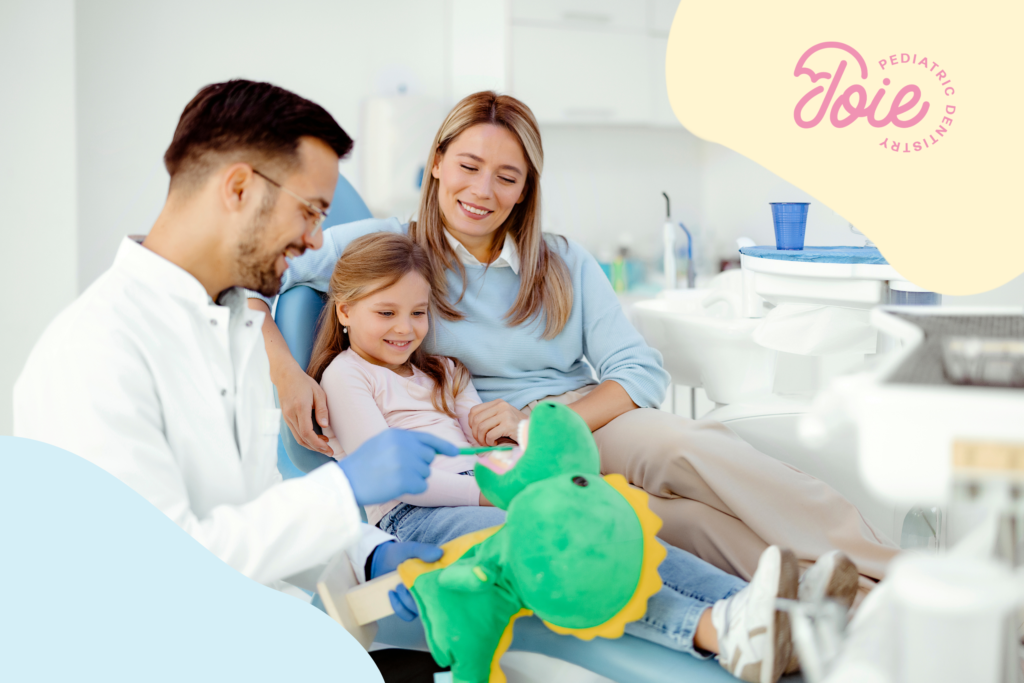
Fluoride varnish is a thick, concentrated fluoride coating that a dentist or hygienist paints directly onto the teeth. It sets quickly on contact with saliva and clings to the enamel, releasing fluoride over the next several hours. The application takes a minute or two, needs no special equipment from the child, and works on even a single tooth, which is why it is used from the time the first teeth appear.
Because it is professionally applied in a controlled amount, varnish is safe for infants and toddlers who cannot yet spit. Your child can eat and drink soon afterward, with a few simple instructions to leave the coating on for the rest of the day. It is typically repeated at routine visits, more often for children at higher risk of decay.
What fluoride rinse is
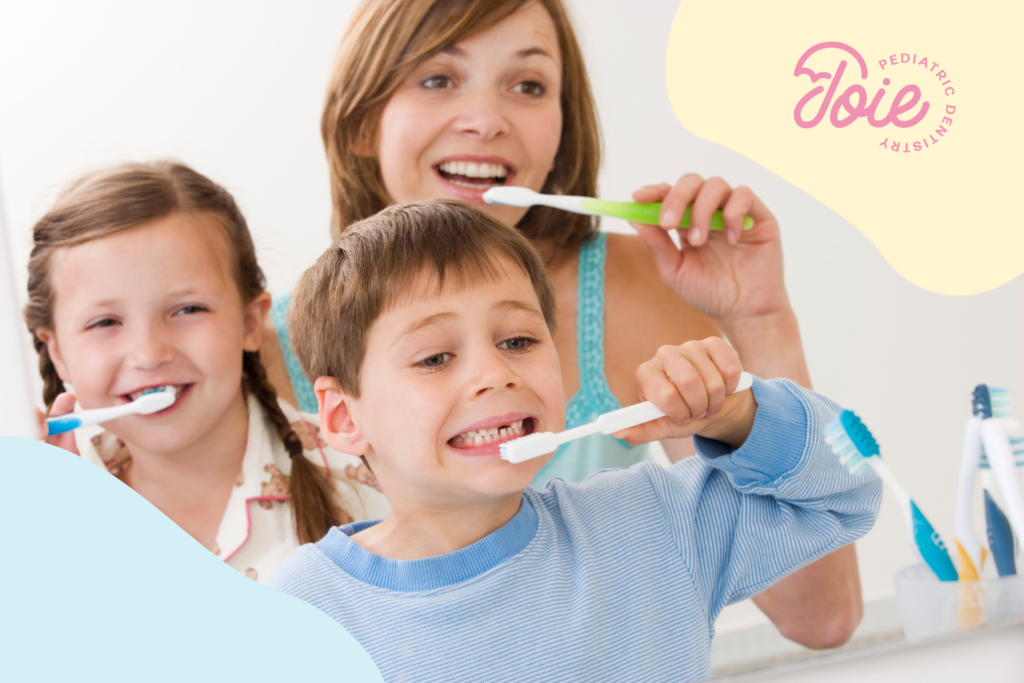
A fluoride rinse, sometimes called a mouthrinse, is a lower-strength fluoride liquid that a child swishes around the mouth and spits out. It is used at home, and some schools run supervised weekly rinse programs. Because it depends on the child rinsing thoroughly and not swallowing, it is meant for older children, generally around age six and up, who have the coordination to use it correctly.
Rinses add a layer of fluoride between dental visits and brushings, which can help children who are prone to cavities or who wear braces. They are not a substitute for brushing with fluoride toothpaste, and they are not appropriate for young children who would swallow the liquid.
The main differences that matter
The clearest differences are strength, setting, and who applies them. Varnish is high-concentration, applied by a professional, and works on contact, so it does not rely on the child doing anything. Rinse is low-concentration, used by the child at home, and depends on proper swishing and spitting. That single distinction shapes which ages each one suits.
Both are recognized, evidence-backed ways to deliver fluoride, and this overview of how fluoride protects teeth explains why the mineral works: it helps enamel resist acid and can rebuild early weak spots before they become cavities. The delivery method is a question of fit, not of one being real protection and the other not.
How age and cavity risk guide the choice
For babies, toddlers, and preschoolers, varnish is the practical option, because it works regardless of whether a child can spit and it is applied in a precise dose. This is why professional varnish is part of routine pediatric visits well before a child is old enough for any rinse.
For school-age children, the picture opens up. A child at average risk may be well covered by toothpaste plus varnish at checkups. A child with frequent cavities, braces, or weak enamel may benefit from adding a home rinse for extra daily protection. The right mix depends on your child’s age, risk, and how reliably they can handle a rinse.
Deciding with your dentist
Rather than choosing varnish or rinse in isolation, it helps to look at your child’s overall cavity risk: their diet, brushing habits, past cavities, and how the enamel looks. From there the plan often combines methods, with varnish at visits and a rinse added at home only when it adds something.
Our cavity prevention care includes fluoride varnish at routine visits and guidance on whether a home rinse makes sense for your child, and a first visit is a good time to set a fluoride plan that matches their age and risk.
Let’s Make Your First Visit Easy
Whether you’re from Ramsey, Mahwah, Allendale, or anywhere in Bergen County, we’d love to welcome your family to ours.
SHOWTIMES (HOURS)
Monday: 9:00 AM – 5:00 PM
Tuesday: 9:00 AM – 5:00 PM
Wednesday: 9:00 AM – 5:00 PM
Thursday: 9:00 AM – 5:00 PM
Friday: 9:00 AM – 5:00 PM
Sat/Sun: Closed