Do Baby Teeth Really Matter If They Just Fall Out?
If baby teeth fall out anyway, it’s fair to ask why they deserve fillings, fluoride, and dental visits. The short answer is that they do far more than chew, and they’re in your child’s mouth for around a decade, longer than most parents realize. The first ones arrive near six months and the last ones don’t leave until age eleven or twelve. What happens to them in those years shapes the permanent teeth, speech, and long-term oral health. Here’s what baby teeth actually do and why caring for them early pays off.
Quick answer: Baby teeth matter because they hold space for the permanent teeth, let a child chew and eat properly, support clear speech, and set the foundation for lifelong oral health. Their enamel is thinner than adult teeth, so cavities spread faster, and a baby tooth lost too early can crowd or misalign the permanent tooth coming in behind it.
They hold the space for permanent teeth
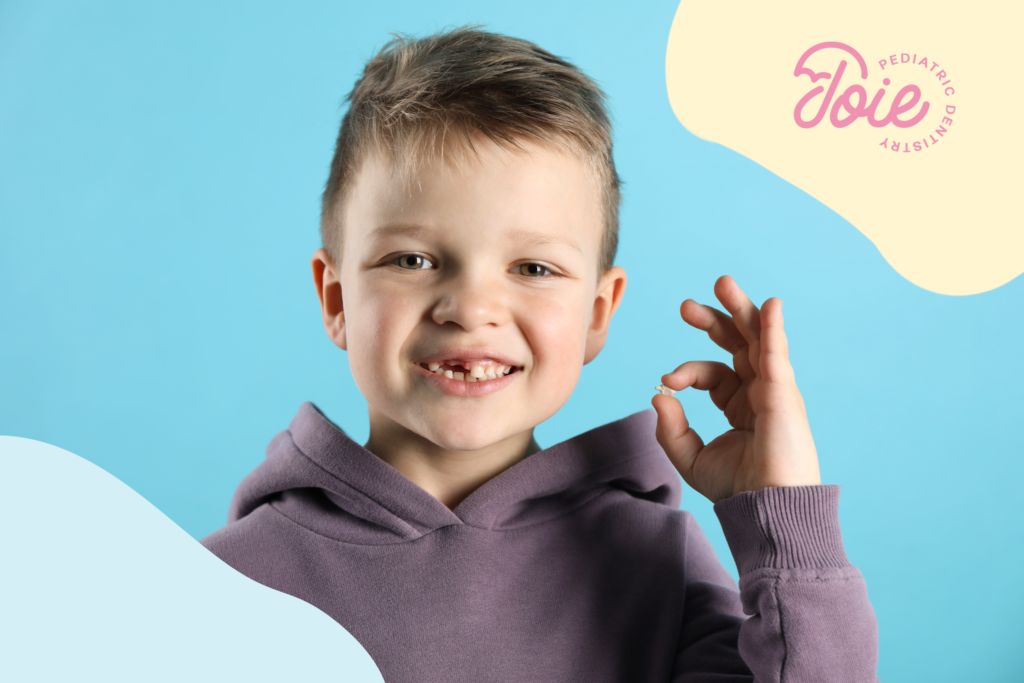
The job that matters most over time is space. Each baby tooth reserves a specific spot in the jaw for the permanent tooth forming beneath it, and it guides that adult tooth into the right position when the time comes. While the baby tooth is in place, the teeth around it stay put. If one is lost too early, from decay, injury, or extraction, the neighboring teeth drift into the empty space, and the permanent tooth underneath can be left without room to come in straight. The result is crowding, a tooth that erupts crooked or sideways, or one that gets stuck entirely, often setting up orthodontic work later that might not have been needed. This is why dentists treat a baby tooth lost before its time as something to manage, sometimes with a space maintainer, rather than shrug off.
They do more than most parents realize
Beyond holding space, baby teeth carry real day-to-day work. They let a child bite and chew, which is what makes the move from purees to solid food possible and supports good nutrition during the years of fastest growth. They shape speech: as toddlers learn to talk, the position of the front teeth helps them form sounds clearly, and missing or damaged front teeth can make certain sounds harder. They help the jaw and facial muscles develop normally. And they matter socially, because a child with healthy front teeth smiles, talks, and plays without self-consciousness, which counts more at this age than adults sometimes assume. None of these jobs waits for the permanent teeth; they all happen during the baby-teeth years.
Their thinner enamel lets decay move fast
Baby teeth are not just smaller versions of adult teeth. Their enamel, the hard outer layer, is noticeably thinner, which means a cavity can pass through it and reach the sensitive inner tooth much faster than it would in a permanent tooth. A small spot that looks minor can become a deep cavity in a matter of months rather than years. Tooth decay is the most common chronic condition in childhood, and it can start as soon as the first tooth appears. The speed is the reason dentists push for early checkups and don’t wait for a child to complain of pain, because by the time a baby tooth hurts, the decay is usually well advanced.
Why an untreated cavity in a baby tooth is worth treating
Parents reasonably ask whether a cavity in a tooth that’s going to fall out really needs a filling. It usually does. An untreated cavity keeps growing, and it can reach the nerve, causing genuine pain and abscesses that make eating and sleeping hard for a child. An infection in a baby tooth can also damage the permanent tooth developing right below it, leaving a mark or defect that shows up years later. On top of that, losing a decayed baby tooth early brings back the space problem and the crowding that follows. Treating the cavity, whether with a filling or a small crown, is almost always less disruptive and less costly than dealing with the chain of problems that an ignored one sets off.
Building the foundation early
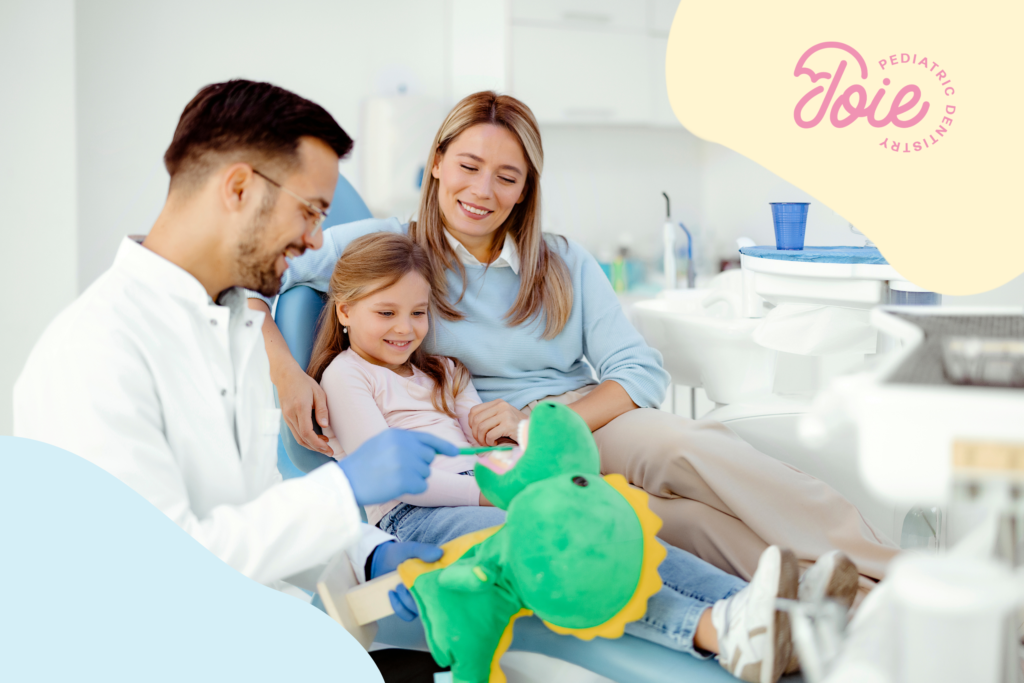
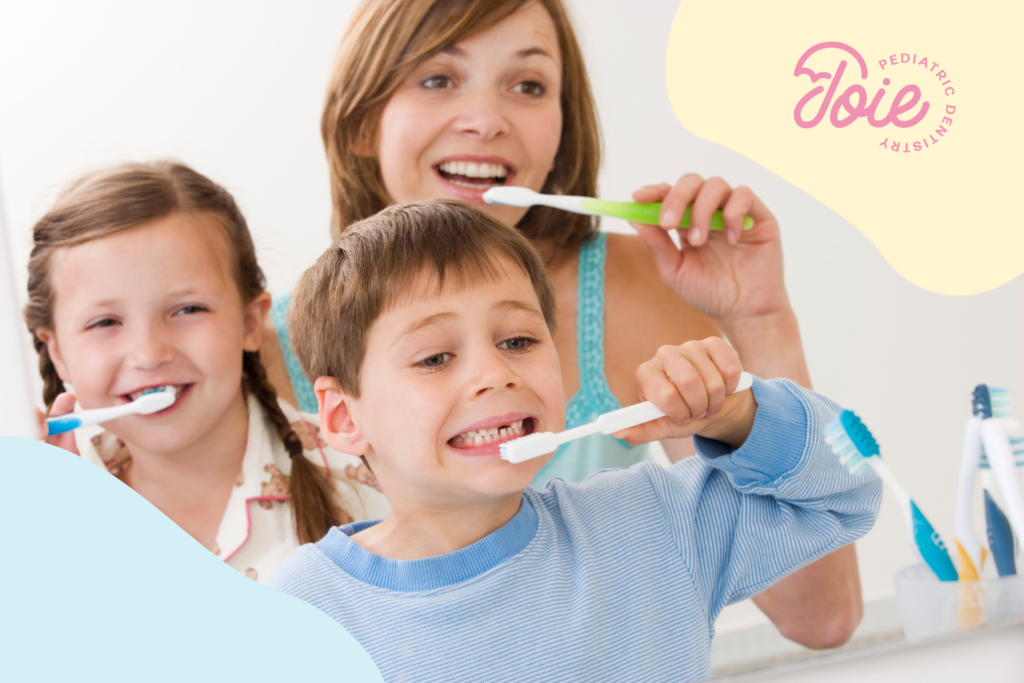
The habits and care of the baby-teeth years carry forward. Research links good diet and brushing habits in infancy and toddlerhood to lower decay risk later in childhood, so the routines you build now do more than protect the current set of teeth. Pediatric dentists recommend a first visit by age one, or within six months of the first tooth, precisely to start that foundation: checking for early decay, applying fluoride where it helps, and giving you a plan for brushing and feeding. Our cavity prevention care is built around protecting baby teeth through these years, and the first visit is where that long-term plan starts, well before the permanent teeth ever arrive.
Let’s Make Your First Visit Easy
Whether you’re from Ramsey, Mahwah, Allendale, or anywhere in Bergen County, we’d love to welcome your family to ours.
SHOWTIMES (HOURS)
Monday: 9:00 AM – 5:00 PM
Tuesday: 9:00 AM – 5:00 PM
Wednesday: 9:00 AM – 5:00 PM
Thursday: 9:00 AM – 5:00 PM
Friday: 9:00 AM – 5:00 PM
Sat/Sun: Closed